Mulholland Drive is well known to be one of the most bizarre and disjointed films of its time. David Lynch, the mastermind behind the film, portrays Hollywood as corrupt and twisted in a postmodern style. The elements of postmodernism in Mulholland Drive that stood out to me were hyperreality, pastiche, fragmentation, and irony. Hyperreality seemed to be the majority of the film. Diane has gone absolutely mad from her terrible Hollywood experience; Diane herself as well as the audience, have a very difficult time differentiating reality from simulations of reality. When Diane is in her apartment all beat up right before she commits suicide, she has flashbacks of her and her ex-lover Camilla. These flashbacks aren’t just nostalgic memories, it feels like real PTSD hallucinations to Diane, which is the last thing to happen to her before she is driven to taking her own life.
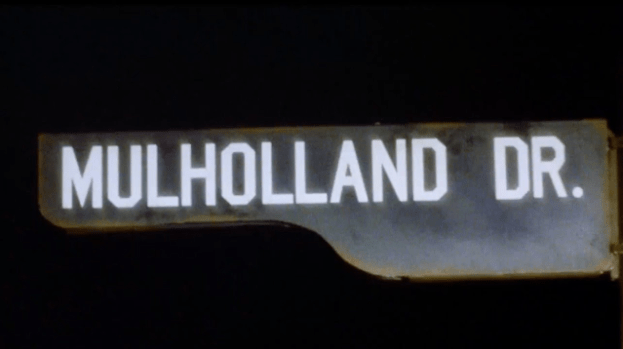
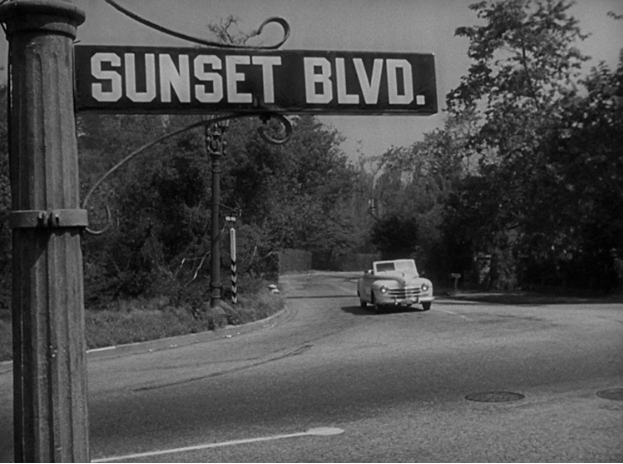
Pastiche is used in such a way that it is less of a parody but more of an inspiration taken from Sunset Boulevard. In the opening scene of Mulholland Drive, we see the street sign, just like the opening scene of Sunset Boulevard. Lynch also made it a point to have the actual car used in Sunset Boulevard parked in the movie studio lot. The shot alone of the studio is very similar to the shot of Paramount Studios in Sunset Boulevard. Fragmentation is also a postmodern factor of Mulholland Drive. Lynch combines both real and alternate universes in one film.
Many moments of irony jumped out at me in Mulholland Drive. Firstly, an early scene in the film is the bum behind the wall. We are told what is going to happen, and that he is around the corner, and that his face is just absolutely horrid, yet we as an audience are still freaked out once the camera does finally turn the corner revealing the bum’s face. Similarly, we are told that everything we hear in the Club Silencio is a recording, yet Betty and Camilla still cry and freak out in reaction to the show, as well as we as an audience are still surprised when the singer drops to the ground. Lastly, I found irony in the fact that all of the men who were deciding which woman was going to be the next beautiful Hollywood star were extremely unattractive themselves. The top of the top man who could only be spoken to through the glass wall was atrocious looking, yet he called all the shots and ultimately decides who is beautiful. Overall, Mulholland Drive uses postmodernism brilliantly.

 Brad's Blog